Free
Ultimate Masters of Albion Tips for Faster Progression
23/04/2026 - 04:38


Farming Simulator 25: Best Farming Techniques for Beginners and Experts
Farming Simulator 25 offers a rich and rewarding experience where every decision shapes your success. Whether you’re stepping onto your first field or managing a thriving agricultural empire, mastering the right techniques can transform your gameplay. From soil preparation to smart investments, here are the most effective farming strategies to help both beginners and seasoned players grow efficiently.
One of the most common mistakes new players make is expanding too quickly. It’s tempting to buy large fields and expensive equipment early on, but this often leads to financial strain.
Start with:
Focus on learning the core mechanics before scaling up. Experienced players know that steady growth leads to long-term profitability.
Not all crops are created equal. Each has different growth times, equipment requirements, and selling prices.
For beginners:
For experts:
Rotate crops regularly to maintain soil efficiency and keep your gameplay engaging.
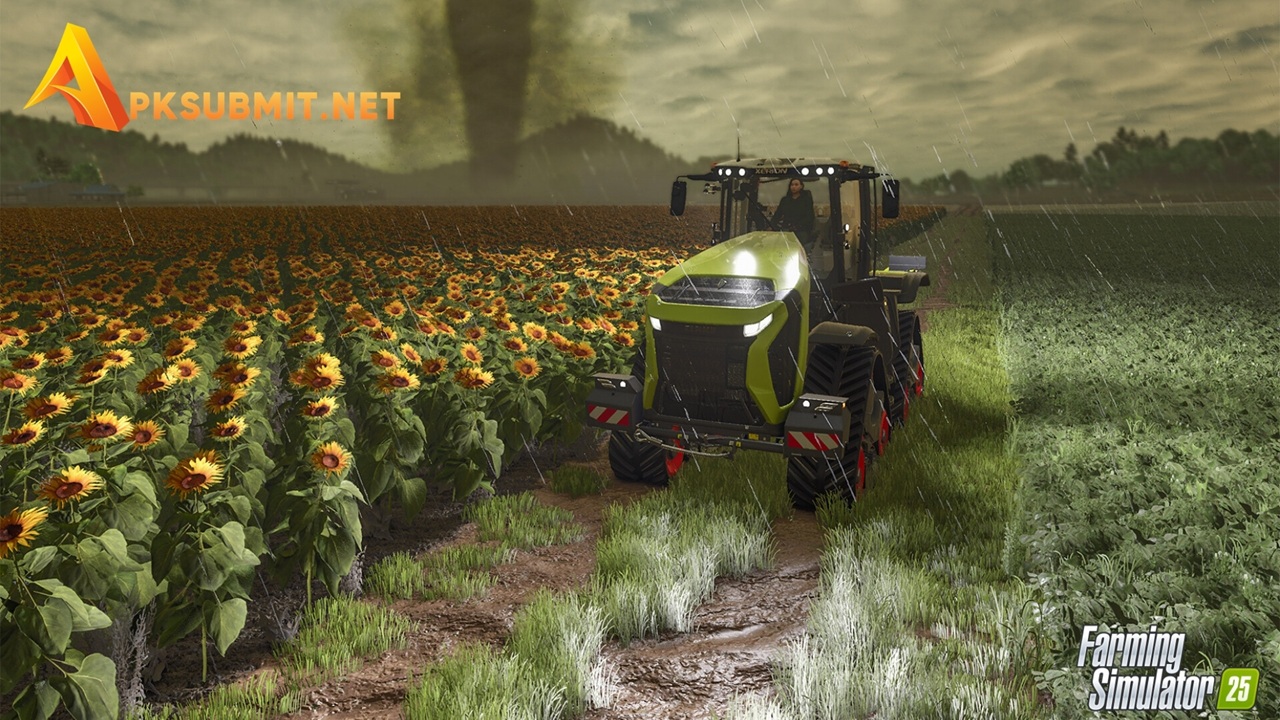
A successful harvest depends on proper field management. Every stage matters:
Skipping steps reduces yield. Advanced players often optimize timing to maximize productivity across multiple fields.
Fertilizing increases your yield significantly, but timing is key.
Tips:
Experts often invest in precision tools to ensure every section of the field is optimized.
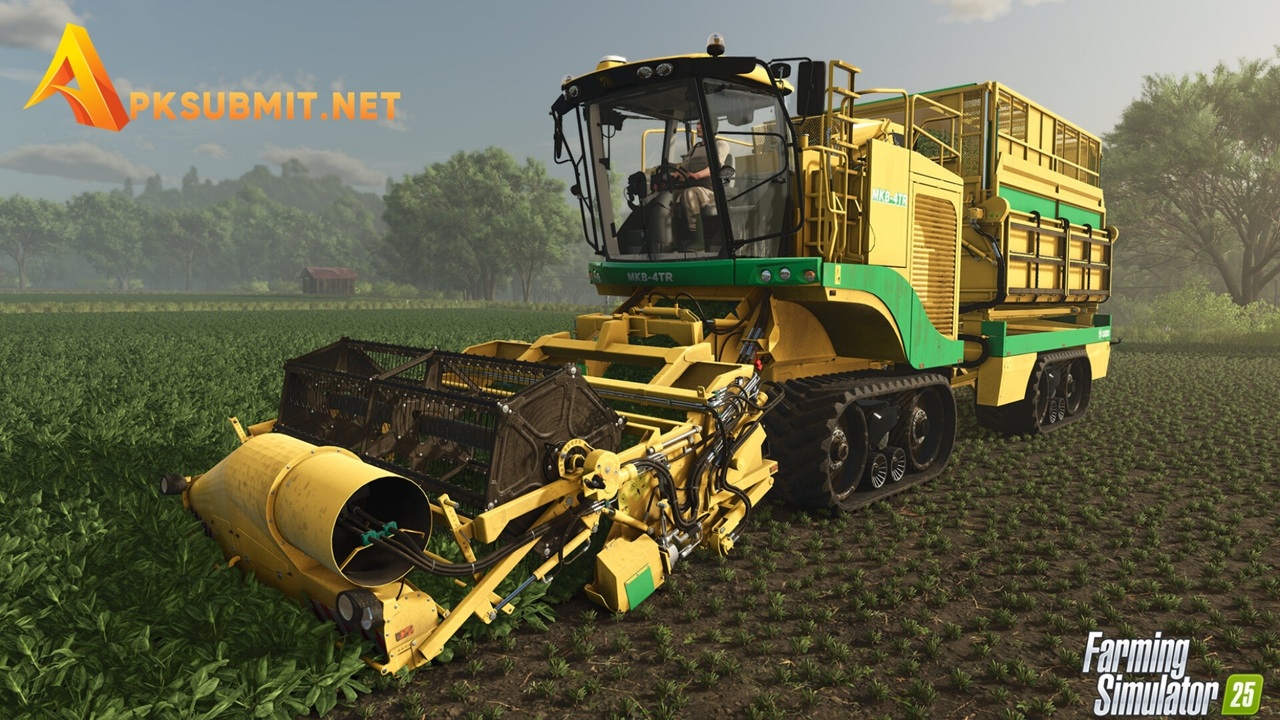
Weeds can silently reduce your profits if ignored.
Best practices:
Advanced players often balance cost vs. benefit when choosing between manual and chemical weed control.
Your machinery defines your efficiency. Instead of buying everything, focus on what you truly need.
For beginners:
For experts:
Leasing can also be a smart option for short-term needs.
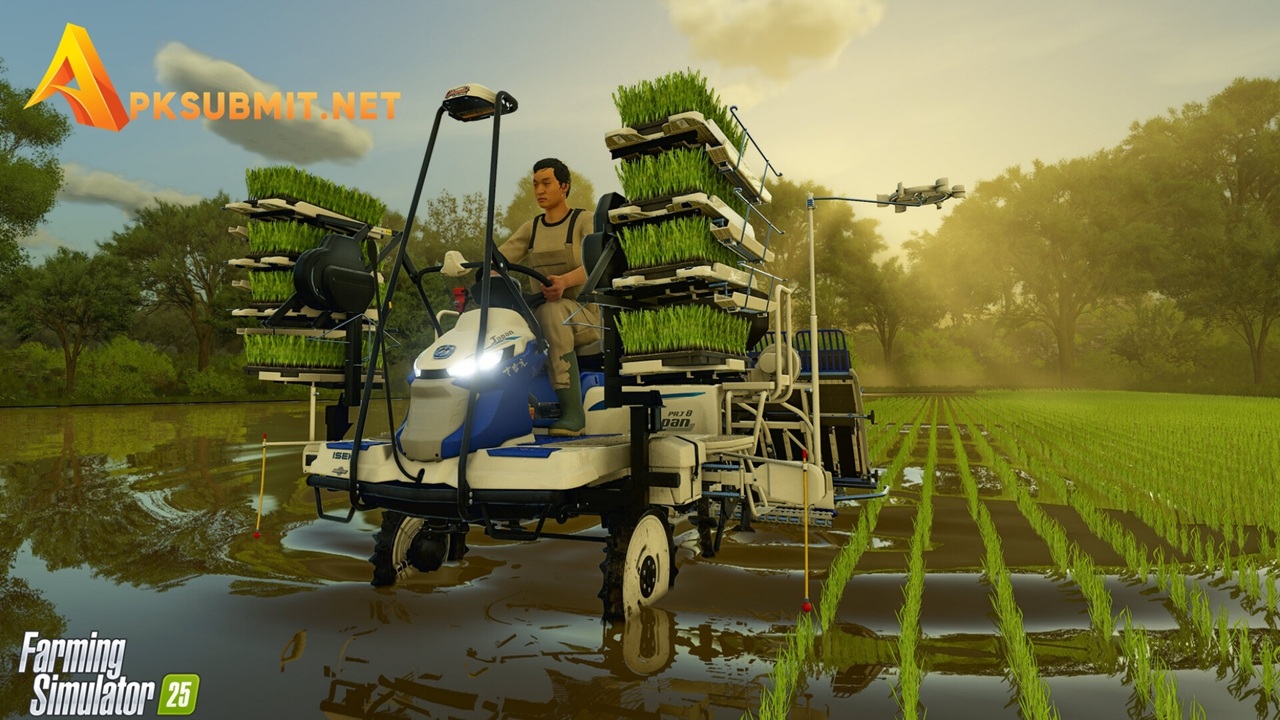
Selling at the right time can make a huge difference.
Key tips:
Experienced players often plan entire harvest cycles around market fluctuations.
Farming isn’t just about crops. Adding animals can create steady income streams.
Options include:
Beginners should start small, while experts can build integrated systems where crops feed animals and animals support crop production.
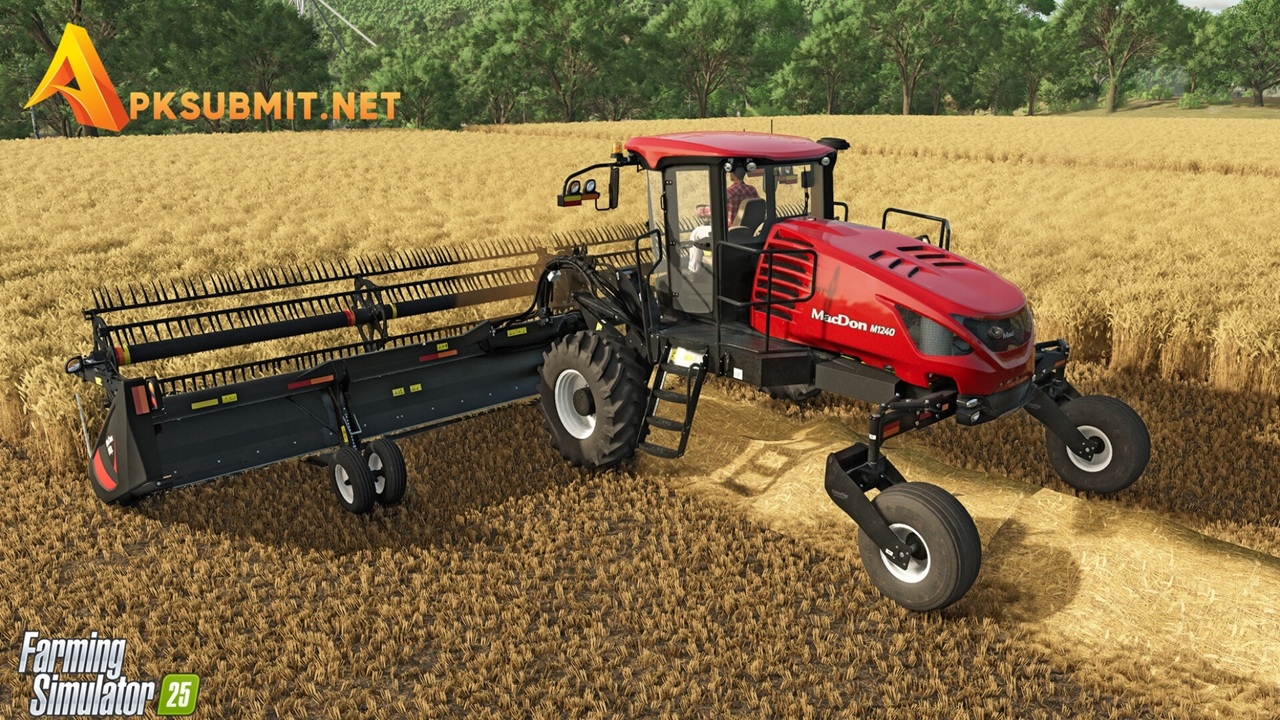
Time management is crucial, especially as your farm grows.
Helpful strategies:
Experts often run multiple operations simultaneously to maximize productivity.
When you’re ready to grow, do it strategically.
Consider:
Expansion should always support efficiency, not just size.
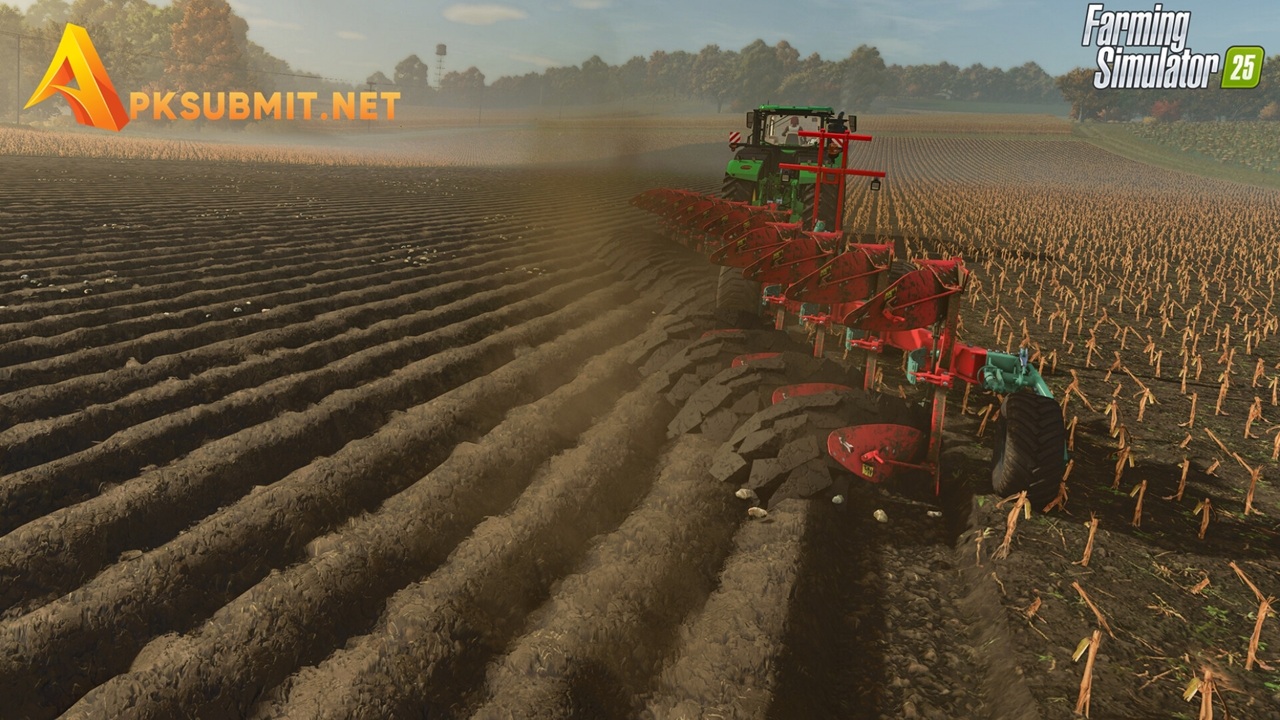
Farming Simulator 25 is more than just planting and harvesting—it’s about strategy, timing, and smart decision-making. Beginners should focus on learning the fundamentals and building a stable foundation, while experienced players can refine their systems for maximum efficiency and profit.
No matter your level, success comes from patience and planning. Take care of your fields, invest wisely, and enjoy watching your farm flourish season after season.

Ultimate Masters of Albion Tips for Faster Progression

Ultimate Pratfall Guide: Best Tips to Improve Your Timing and Control

How to Get Rich Fast in Rust: Best Loot & Farming Strategies

Hogwarts Legacy New Patch Notes: Major Changes You Need to Know

Blood Strike Patch Notes Today: Buffs, Nerfs & Major Changes


